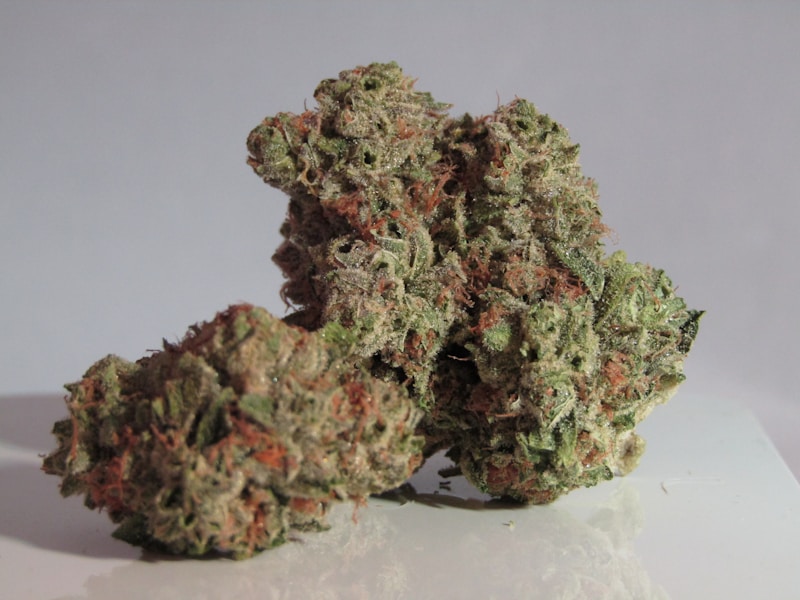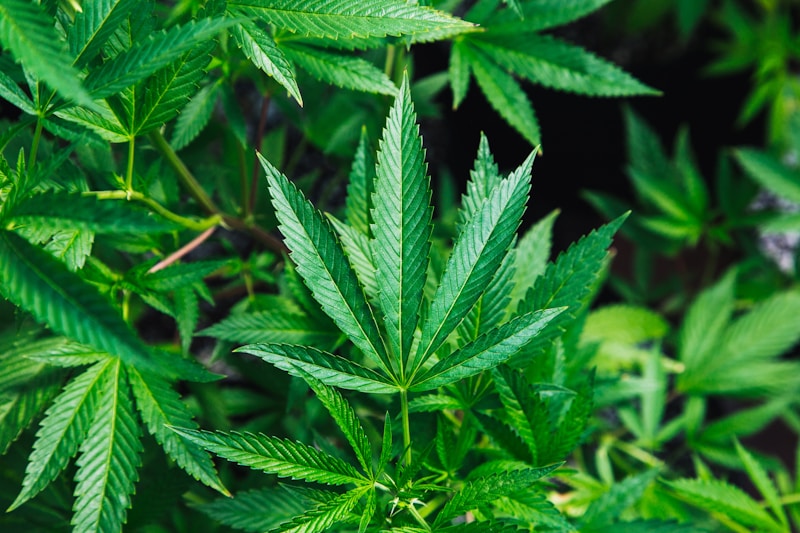
Indiana's Board of Pharmacy met Monday to review a federal notice on marijuana rescheduling but took no formal action. Board attorney Leif Johnson told members that Indiana law requires the board to assess any finalized federal scheduling change and recommend whether the state should adopt a comparable classification. Under Indiana Code, the pharmacy board is tasked with reviewing controlled-substance scheduling changes; if members object, they must publicly state their reasons and allow a hearing process before any state action proceeds.
The federal process remains unresolved. The U.S. Department of Justice last month announced limited Schedule III reclassification for certain state-licensed medical marijuana products, but a broader Drug Enforcement Administration rescheduling is still pending, with federal hearings set to begin in June. The proposed change would move state-approved medical marijuana from Schedule I — designating drugs with no accepted medical use — to Schedule III, a less restrictive category.
Republican Sen. Mike Bohacek of Michiana Shores announced Monday he is drafting 2027 legislation to legalize medical marijuana in Indiana, covering distribution and sale rules, a tax structure, updated THC impairment laws, and new law enforcement training requirements. The bill would not address recreational marijuana. Bills for the 2027 session cannot be filed until later this year.
"In light of the governor's openness to consider legislation regarding the legalization of marijuana, we need to consider a feasible marijuana policy that would be the most helpful to Hoosiers and the economy," Bohacek said. "The use of medical marijuana has been proven to be beneficial for some medical disorders and could help people throughout the state who are suffering find some relief."
On taxation, Bohacek noted: "Indiana has already allowed the sale of delta-8 THC and other similar cannabinoids, so creating a tax policy is a logical next step in expanding the use of THC products. There is potential to bring in millions of dollars in tax revenue every year."
Gov. Mike Braun (R) last month expressed openness to reviewing marijuana policy proposals but stopped short of endorsing full legalization. Indiana remains among a dwindling number of states without a medical marijuana program. Earlier this year, lawmakers again failed to agree on cannabis policy, and a Senate-passed bill targeting intoxicating hemp-derived THC products died before the legislature adjourned.
This story was first published by Indiana Capital Chronicle.