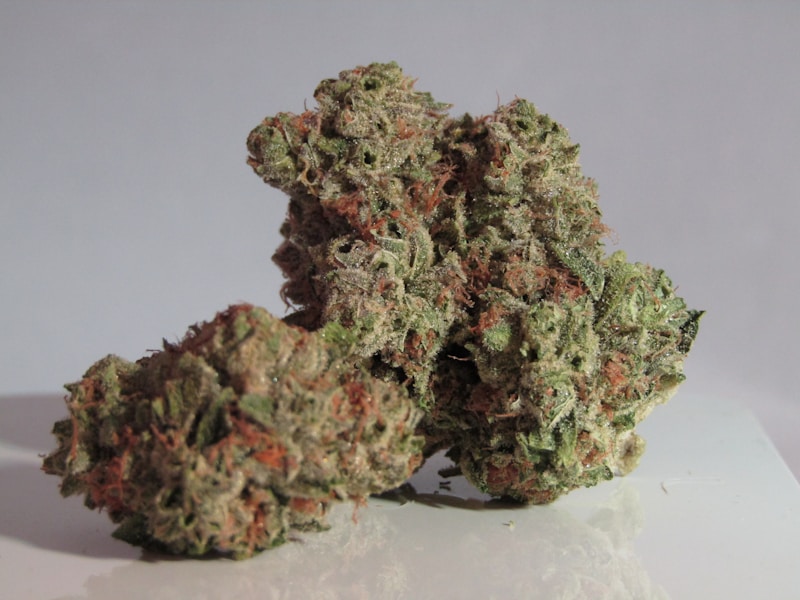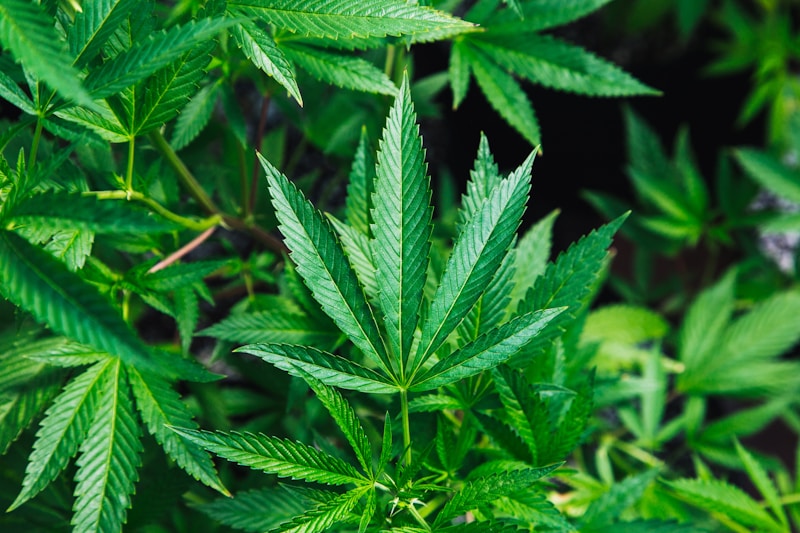
Hawaii's Senate Judiciary Committee passed two resolutions 5-0 on Thursday urging Congress to remove cannabis from the federal Controlled Substances Act, support states in clearing cannabis conviction records, and extend full banking services to cannabis businesses.
The measures — SR58 and SCR64, sponsored by Sen. Joy San Buenaventura (D) — warn that cannabis's Schedule I status still exposes medical dispensaries and other businesses to "federal seizures, forfeitures, arrests, and other enforcement and prosecution actions." Medical cannabis businesses "are hampered by their inability to obtain the full spectrum of private banking services under federal law," the resolutions state, and cannabis conviction records continue to limit access to housing and employment. A state-commissioned study cited in the measures projects the legal recreational market could exceed $1 billion in annual Hawaii sales by its fifth year.
The original text compared cannabis to alcohol and tobacco, which fall outside the Controlled Substances Act despite documented health harms. Committee chair Sen. Karl Rhoads (D) stripped that language, saying those arguments "seem irrelevant" to the marijuana resolutions.
If passed by the full legislature, the resolutions will be transmitted to President Donald Trump, Vice President JD Vance, congressional party leaders in both chambers, and Hawaii's congressional delegation.
This week the Senate Health and Human Services Committee separately adopted resolutions directing the state attorney general and health department to seek a DEA exemption permitting Hawaii to run its medical cannabis program without federal interference.
State legalization efforts are largely stalled for 2026. A Senate-passed low-dose, low-potency marijuana bill missed a key deadline and is dead for the session. SB 2421, which tied legalization to changes in federal law or the state Constitution, was deferred, as was a hemp-derived cannabinoid products measure. House leaders had already indicated the chamber lacked sufficient support to advance legalization this year.
Three other measures remain active: a bill allowing patients to access medical cannabis immediately upon registration submission rather than waiting for card delivery; legislation permitting qualifying patients to use marijuana at health facilities; and a Senate-passed bill — recently cleared by a House committee — to create a psychedelics task force studying psilocybin, MDMA, and related therapies.