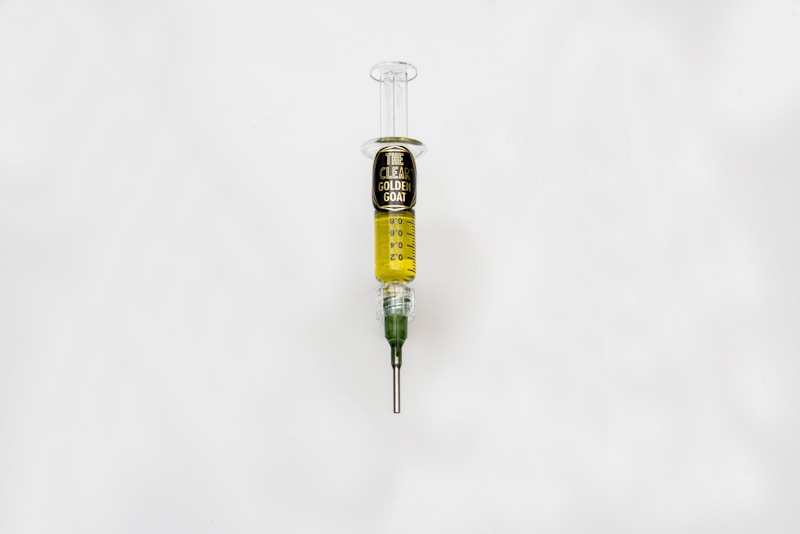
A Georgia law broadening access to medical marijuana took effect Wednesday, weeks after Gov. Brian Kemp (R) signed it.
The measure, SB 220, was sponsored by Sen. Matt Brass (R). It adds lupus to the state's list of qualifying conditions, joining cancer, Parkinson's disease, multiple sclerosis, Alzheimer's disease, ALS, autism spectrum disorder, intractable pain and other ailments already covered. For many conditions, the law also eliminates the requirement that a patient's illness be severe or end-stage to enter the program.
Called the Putting Georgia's Patients First Act, the law widens allowed delivery methods. Patients could previously use oils, tinctures, capsules, lozenges, topicals and transdermal patches; those 21 and older can now also vape medical cannabis, though smoking stays banned for everyone in the program.
The law swaps the prior 5 percent THC potency cap for a possession limit of 12,000 milligrams of THC at any given time, and it replaces statutory references to "low THC oil" with "medical cannabis."
In a signing statement last month, Kemp said: "These changes, while meaningful to the affected patients, do not materially alter where Georgia sits in the national landscape on this issue. This bill passed with a constitutional majority in both chambers of the General Assembly."
"I, like many of those who expressed opposition to this bill, have reservations about the legalization of recreational cannabis. Many states that have legalized recreational cannabis have come to regret that decision," he said. "I also recognize that for some patients, medical cannabis provides significant relief to symptoms that would otherwise go untreated or would be treated with even more harmful opioids."
"I do not believe that a well-implemented medical cannabis program must inevitably lead to the legalization of recreational use in Georgia, nor is the question of recreational use anywhere in the bill on my desk for signature," Kemp said.
The Georgia Access to Medical Cannabis Commission, which administers the program, now also has a mandate to run public education efforts on the potential benefits of medical cannabis, targeting patients, law enforcement and health care providers.
Last year, Georgia House leaders formed a Blue-Ribbon Study Committee on Georgia's Medical Marijuana and Hemp Policies to examine the state's cannabis laws ahead of the 2026 session. Lawmakers have also considered separate legislation to fund research into psychedelics as a therapy for conditions such as PTSD.