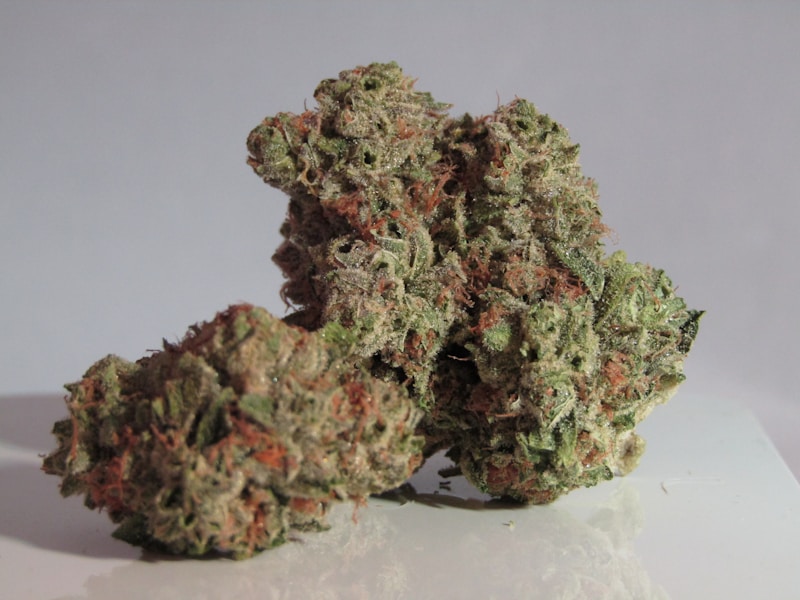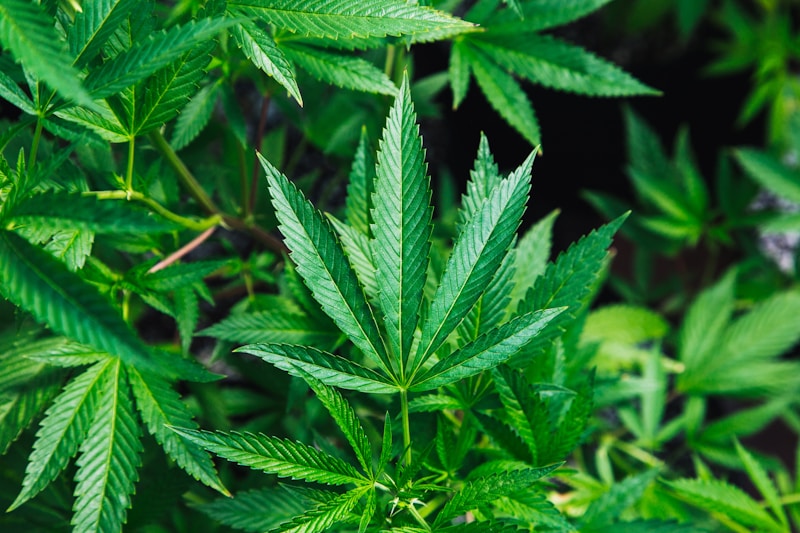
The Drug Policy Alliance (DPA) has released a report titled "High-THC Marijuana: Protecting Public Health In A Changing Market," arguing that rising potency in legal cannabis markets warrants targeted regulation rather than prohibition.
The report acknowledges a "mixed body of research" on health impacts including cannabis use disorder, anxiety, and other mental health conditions, but stops short of declaring high-THC products an imminent public health threat. It calls for expanded research, particularly on youth use and access.
DPA's primary recommendation is a "unified regulatory framework for all cannabinoids (including hemp-derived products like delta-8 THC) with consistent standards for testing, labeling, age restrictions, and consumer protections." Additional proposals include age-gating enforcement, tax revenue allocations for mental health treatment and public health programs, standardized serving sizes, clear THC content labeling, prominent warning labels, and training for dispensary staff.
Because higher THC concentrations can "help manage pain and other medical conditions," the report recommends medical exemptions within any potency regulations. It also supports THC-potency-based pricing and mandatory low-THC product availability to prevent regulated markets from becoming dominated by high-potency products.
Cat Packer, DPA's director of legal regulation, said: "Legal regulation must address the ongoing harms of criminalization that impede on someone's livelihood and basic needs. At minimum, clearing records for all past marijuana arrests and convictions. Not having a criminal record removes barriers to economic opportunities and housing access. Ending criminalization also stops law enforcement from targeting certain communities."
The report also addresses the urgency of aligning hemp and marijuana regulations ahead of a November deadline, when a federal agriculture law signed by President Donald Trump takes effect with a significantly more restrictive THC threshold for legal hemp—a change industry stakeholders warn could effectively eliminate the consumable cannabinoid market.
Separately, the White House has scheduled meetings with cannabis industry and research stakeholders to discuss a proposed enforcement policy for non-intoxicating CBD products. Also pending is a rule to move marijuana from Schedule I to Schedule III of the Controlled Substances Act—a shift that would expand research access and allow state-licensed businesses to claim federal tax deductions. Trump signed an executive order in December directing the attorney general to expedite that process, but finalization has not yet occurred.