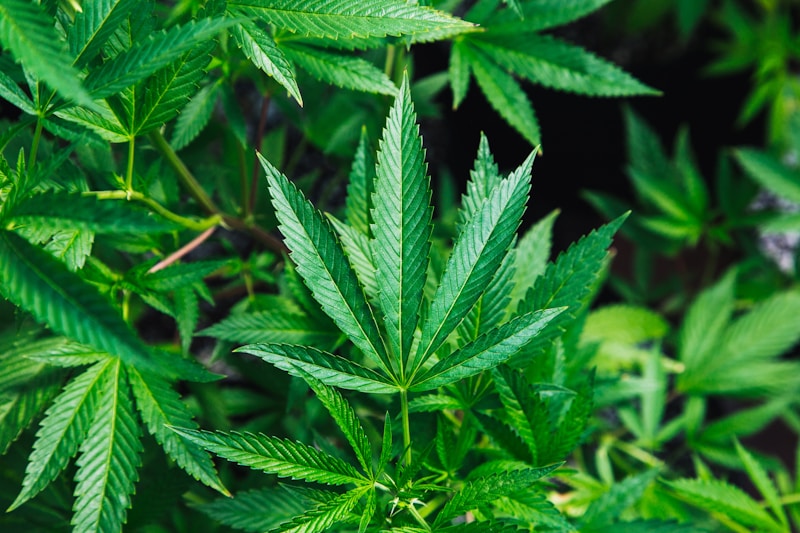
Delaware's House of Representatives voted 38-0 on Thursday to approve SB 226, which would allow terminally ill patients to use medical marijuana while hospitalized. The bill, originally sponsored by Sen. Marie Pinkney (D), passed the Senate unanimously about a month earlier and now goes to Gov. Matt Meyer (D), who may sign it, veto it, or allow it to become law without his signature.
Rep. Kamela Smith (D), who carried the bill in the House, said: "Patients are already using it, especially for cancer, chronic pain and serious illness. Patients shouldn't have to choose between following their doctor's treatment plan and following the hospital's rules and protocols. When patients are admitted to a hospital, their medications are reviewed, the treatment continues, and their plan is managed. Medical marijuana should be treated the same way—openly, safely and not hidden."
Under the bill, patients and their caregivers are responsible for obtaining and administering medical marijuana, which must be kept in a locked container at all times. Smoking and vaping are prohibited. Healthcare facilities must verify patients' state medical marijuana registry ID cards, document use in medical records, and develop written in-facility cannabis policies. Facilities may deny use if it would adversely affect a patient's medical care, and may suspend permission if a federal agency—such as the U.S. Department of Justice or the Centers for Medicare and Medicaid Services—takes enforcement action or issues guidance expressly prohibiting in-facility medical marijuana use. The bill excludes patients in emergency departments.
Separately, the Delaware Senate in January voted to override Gov. Meyer's veto of a bill restricting local governments from imposing burdensome zoning rules on cannabis businesses. Delaware's adult-use market launched last August, generating nearly $1 million in combined medical and recreational sales its first weekend, two years after legalization was enacted under former Gov. John Carney (D). A Delaware House committee also advanced a bill in January to decriminalize public cannabis consumption; Delaware's current maximum penalty for public use includes the risk of jail time, more punitive than states like Colorado and Ohio.