The Drug Enforcement Administration (DEA) is establishing a separate drug code for hexahydrocannabinol (HHC), affirming that the synthetically produced cannabinoid is a Schedule I controlled substance under the Controlled Substances Act (CSA) and does not qualify as legal hemp.
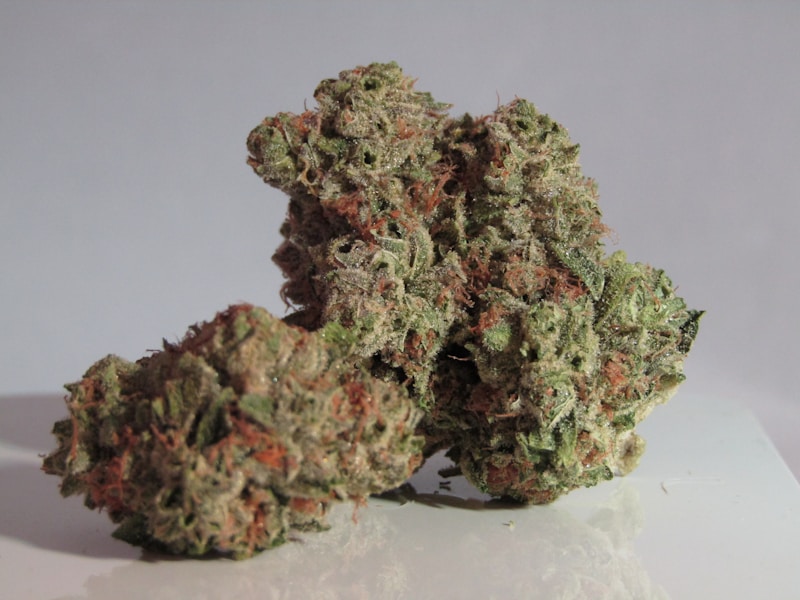
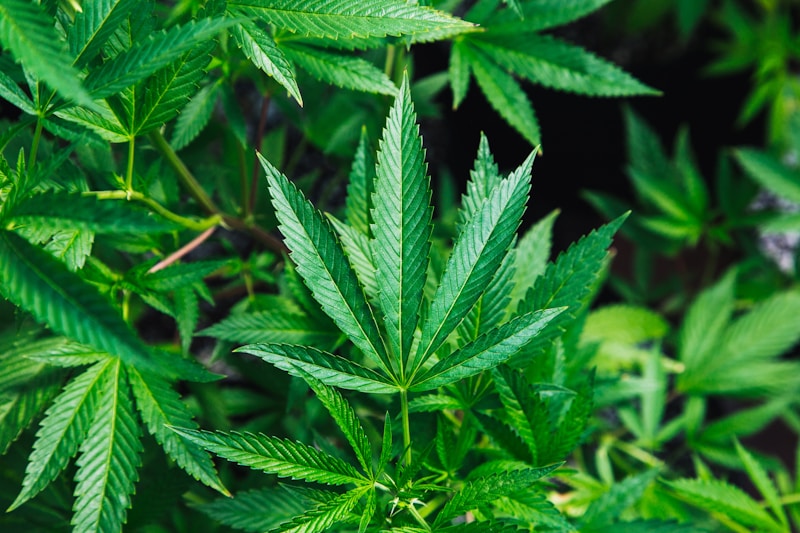
HHC occurs in trace amounts in cannabis plants but is typically produced by hydrogenating cannabidiol (CBD), and is sometimes sprayed on low-delta-9-THC cannabis flowers; its psychoactive effects are reportedly similar to delta-9 THC.
The 2018 Farm Bill legalized hemp and derivatives containing less than 0.3 percent delta-9 THC on a dry-weight basis, but DEA holds that this covers only naturally occurring cannabinoids. A Federal Register notice scheduled for Monday states: "Only tetrahydrocannabinols in or derived from the cannabis plant—not synthetic tetrahydrocannabinols—are excluded from control as 'tetrahydrocannabinols in hemp,'" and further specifies that cannabinoids produced through chemical conversion—even when hemp-derived—are considered synthetically produced under the CSA and therefore do not qualify as hemp tetrahydrocannabinols under the Farm Bill.
DEA previously addressed HHC's status in a 2023 letter from Terrance Boos, chief of DEA's Drug and Chemical Evaluation Section, concluding that HHC is synthetically derived and falls outside the Farm Bill's hemp definition.
The new filing, signed by DEA Administrator Terrance Cole, states the action "establishes a separate, specific listing for hexahydrocannabinol in schedule I of the CSA and assigns a DEA drug code for this substance," enabling the agency to set production quotas for registered manufacturers. Cole's filing notes the rule "does not affect the continuing status of hexahydrocannabinol as a schedule I controlled substance in any way."
The notice cites an international move adding HHC to Schedule II of the United Nations Convention on Psychotropic Substances of 1971 by the Commission on Narcotic Drugs (CND), though it omits that the U.S. was the only country to abstain. The U.S. Department of Health and Human Services (HHS) has concurred with the listing.
Some federal appeals courts have rejected DEA's interpretation of which cannabinoids are legal under the Farm Bill. A spending bill signed by President Donald Trump late last year will narrow the federal definition of legal hemp in November to products containing no more than 0.4 milligrams of total THC per container; some lawmakers are pushing to delay that November 12 effective date. The Trump administration last week also announced steps to reschedule marijuana under federal law.