With patient numbers climbing and access to medicinal cannabis expanding, the industry is drawing increasing interest from entrepreneurs, says Savvy PR and communications manager Adrian Edlington. Getting the right funding structure in place, however, is essential before you take the plunge…
Australia's medicinal cannabis sector was valued at an estimated A$103 million in 2022, with projected annual growth of 29.6% between 2023 and 2030.
As public and political support for medicinal cannabis grows — and with states and territories considering moves to ease restrictions on recreational use — the case for entering the cannabis market has rarely looked stronger.
A number of companies involved in growing and cultivating cannabis varieties are already listed on the Australian Securities Exchange (ASX).
That said, legal uncertainties around cannabis cultivation in certain states, combined with the time it often takes businesses in this sector to generate returns, mean banks and lenders continue to approach cannabis — and even hemp — funding with considerable caution.
Hemp-based products have more than 50,000 applications, spanning industrial materials, food, and therapeutics including medicinal cannabis.
Whether your interest lies in cultivation, medical research, wholesaling, retailing, or any of the many value-added services that feed into or draw from the industry, a range of financing pathways are available to help get your cannabis business off the ground.
Banks and loan financing
Most early-stage companies seeking external capital — sometimes called OPM, or other people's money — start by approaching a bank or business lender. This is a widely used financing option because it offers predictability: a fixed sum borrowed over a set term and repaid with interest, giving startups a clear and stable cost to plan around.
Banks and lenders can structure financing in different ways depending on what kind of cannabis business you're running.
A retail operation, for instance, might benefit from equipment finance or leasing arrangements covering IT or specialised products. A service-based business might find a line of credit more appropriate, allowing funds to be drawn as needed to keep cash flowing. If you need office or warehouse space, a term loan may be the answer — and that space can often be leased as part of a broader finance arrangement.
A key principle to keep in mind: match long-term assets with long-term liabilities, and short-term assets with short-term liabilities, to protect your working capital.
Private equity finance
Beyond banks, private equity is another significant source of capital. Private equity firms typically pool the resources of high-net-worth investors to acquire a stake in a startup, injecting capital in exchange for a share of future returns.
These firms may also bring corporate advisory services and management guidance to help the business achieve sustained or accelerated growth.
For your cannabis business to attract this kind of investment, a compelling and well-constructed business plan is non-negotiable.
Some startups in this position find their way into "startup accelerators" or "incubators." Certain private equity investors may also take advantage of research and development grants or available tax incentives.
If private equity firms don't see a credible path to returns in the medium-to-long term, they will direct their capital elsewhere — making this funding route far from guaranteed.
Crowdfunding
Crowdsourced financing has emerged as a newer avenue for Australian businesses seeking capital. Unlike conventional crowdfunding — where backers receive a product in exchange for a pledge — crowdsourced equity finance gives both retail and sophisticated investors the ability to buy shares directly in a startup or growth-stage business.
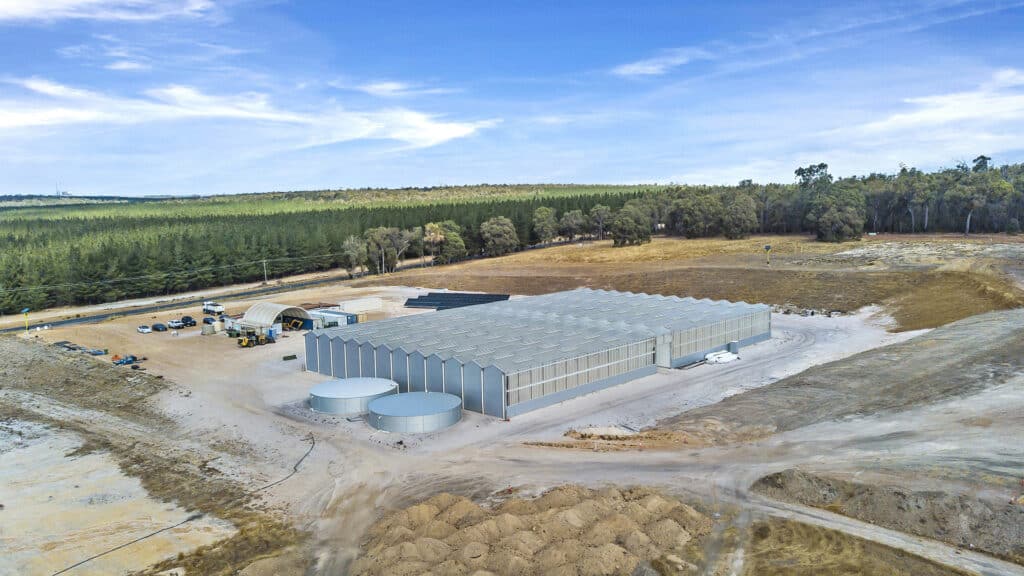
Cannaponics in WA, for example, ran a crowdsourced finance campaign through Birchal, a platform that specialises in this type of fundraising.
The entry point for investors is accessible — some can participate with as little as $100 — and in return they receive shares in the company. Prospective investors can register interest upfront; once a minimum funding threshold is met, the campaign proceeds and shares are issued.
Your business plan and finance
Whatever area of the cannabis industry your business occupies — research, retail, commercialisation, or wholesale — a thorough business plan is essential. That plan should cover:
- What your mission or goal is in the marketplace.
- Potential strengths, weaknesses, opportunities, and threats (SWOT analysis).
- How the money will be invested and where the company will derive revenue.
- Whether your business will need to comply with regulatory requirements.
- How you will re-invest profits — or issue dividends to stockholders.
- Your current profit and loss statements and credit score.
If you're still getting up to speed on the cannabis sector, subscribing to industry publications, attending trade events, and connecting with established players can help sharpen your understanding before you approach investors.
Testing your concept thoroughly before seeking outside money is always sound practice — and a necessary step on the path to becoming a successful Australian cannabis entrepreneur.
- As spokesperson at savvy.com.au, Adrian Edlington writes regularly on business-related topics in Australia including finance and insurance.