Hemp industry figures have kicked off a fundraising drive aimed at legalising hemp-based products for animals, with frustration mounting that regulatory hurdles are threatening to eliminate a once-flourishing segment of the market.
The Australian Hemp Council (AHC) is seeking A$50,000 to fund application pathways that could allow pet food products to be legally manufactured and sold for use in animals, including livestock.
The campaign, named Paws for Wellness, comes after a string of fruitless negotiations with the Australian Pesticides and Veterinary Medicines Authority (APVMA), as industry figures pushed to reduce the financial and regulatory strain on businesses in the sector.
The APVMA effectively banned the sale of hemp pet products earlier this year, putting jobs and the viability of several small businesses at risk.
The AHC said regulators have "dug their heels in", leaving businesses to shoulder the cost of expensive applications and research permits.
The council called the classification of hemp as a 'veterinary chemical product' — which triggers costly registration and testing requirements — both alarming and illogical.
"The APVMA's decision ignores established science, instead lumping these products into a one-size-fits-all position shared with medicinal cannabis and CBD products," the AHC said.
"Sourced from industrial hemp, these products contain little to no CBD or THC, yet they're packed with essential amino acids, fibre and omega 3 and 6 fatty acids."
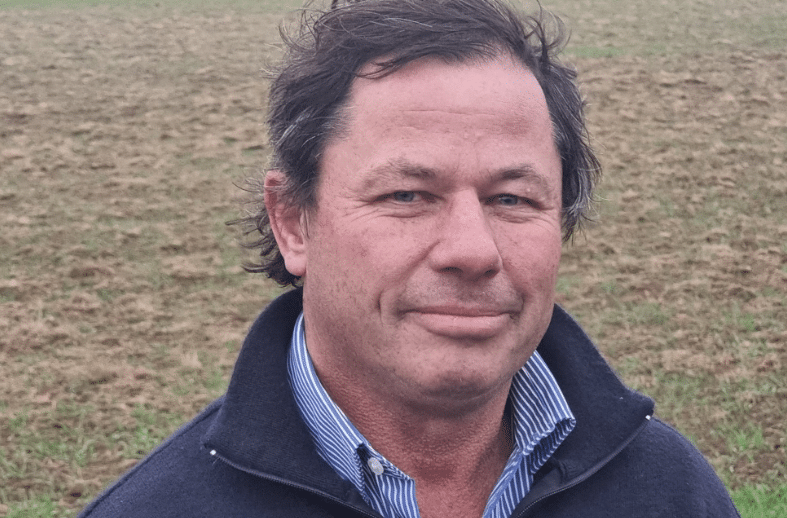
AHC president Tim Schmidt said: "This bureaucratic overreach isn't just bad for businesses manufacturing hemp products for pets, it's a blow to the hemp industry as a whole.
"We're talking about millions of dollars and thousands of hours invested, only to see our efforts sabotaged by poorly researched, blanket regulations. We simply cannot let this stand."
The push to change the regulations has been spearheaded by Dr Bronwyn Blake, chairwoman of the Australian Hemp Council Fodder Group.
She described the APVMA's hard-line position as "regulatory overkill at its worst".
"We're not talking about untested, risky substances, we're talking about basic nutrition for animals and ingredients that have been investigated and deemed safe overseas," Blake said.
"We understand the viewpoint of APVMA, but not their processes. They want data, which we have, but there is a huge financial cost attached to having it reviewed.
"The APVMA is an under-resourced government department with 95% of its funding coming from permit and application fees.
"How can they possibly provide an objective and well-researched opinion when they depend on fees like this to keep them afloat?
"It is the responsibility of the federal government to ensure all government departments are adequately resourced, ensuring they spend their time serving Australia rather than themselves."
The AHC plans to pursue two application pathways: the first involves a technical assessment by the APVMA of hemp fractions used for nutritional purposes, while the second will see hemp fractions undergo an ingredient determination.
Together, the two pathways are expected to cost more than $50,000, the AHC said.
"If you care about your pet's health, or if you're sick of seeing Australian industries crushed by unnecessary red tape, we need your support now," Blake said. "This isn't just a fight for hemp. It's a fight against the relentless creep of bureaucracy that's putting our farmers and small businesses at risk and denying our animals the nutrition they deserve."
The APVMA has previously stated that if a product has not been registered by the APVMA or approved for use under permit, “it may not be safe to use in animals… and could be dangerous”.