Gender equality remains an ongoing priority across all sectors, and the conversation has grown louder within the Australian and New Zealand cannabis industry. Hannah Adler speaks with female leaders about their personal experiences and asks what progress has been made, what still needs to change, and where the sector goes from here.
In Australia, workforce parity between men and women continues to be unevenly distributed. Australia's gender equality scorecard reveals that women, though they account for half of all employees, remain underrepresented in senior decision-making roles across nearly every industry in the country.
The cannabis sector offers a mixed picture. While some ASX-listed companies are helmed by women and many women are leading the way in research, achieving genuine gender equality still demands greater attention, effort, and sustained action.
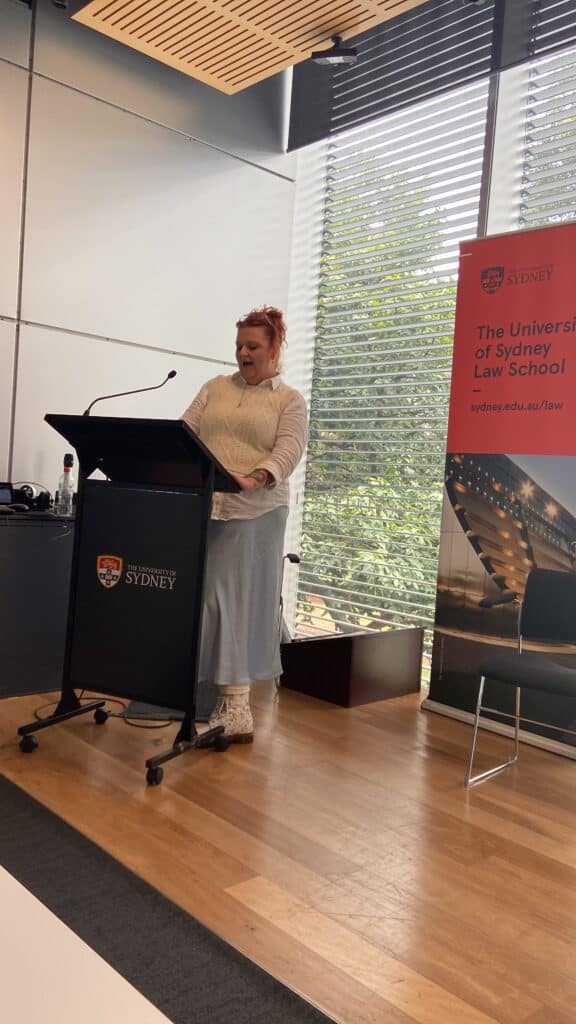
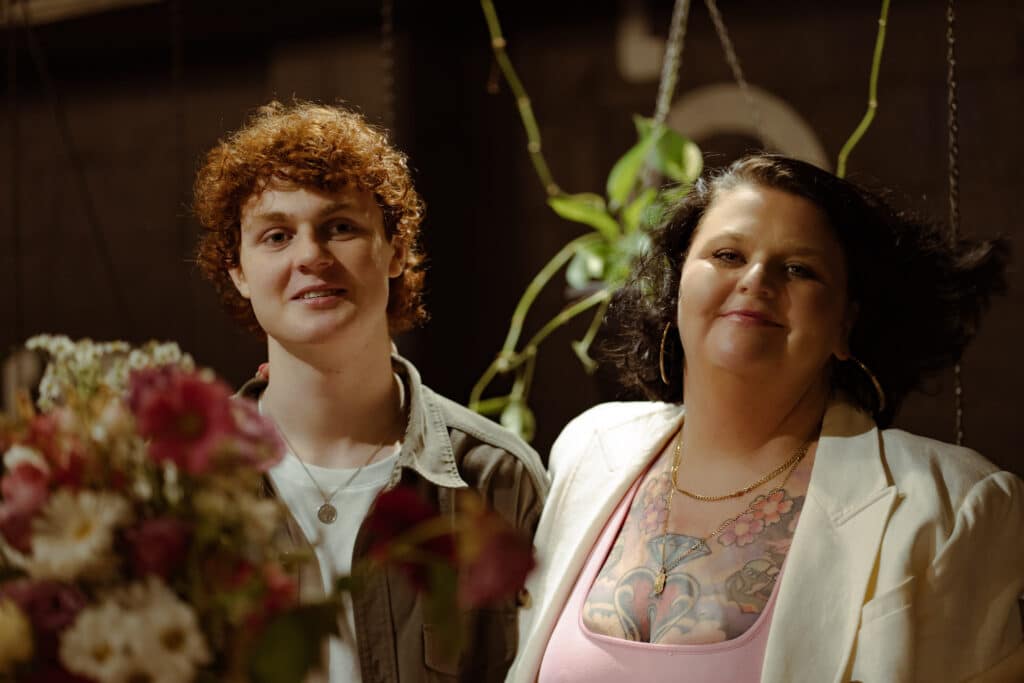
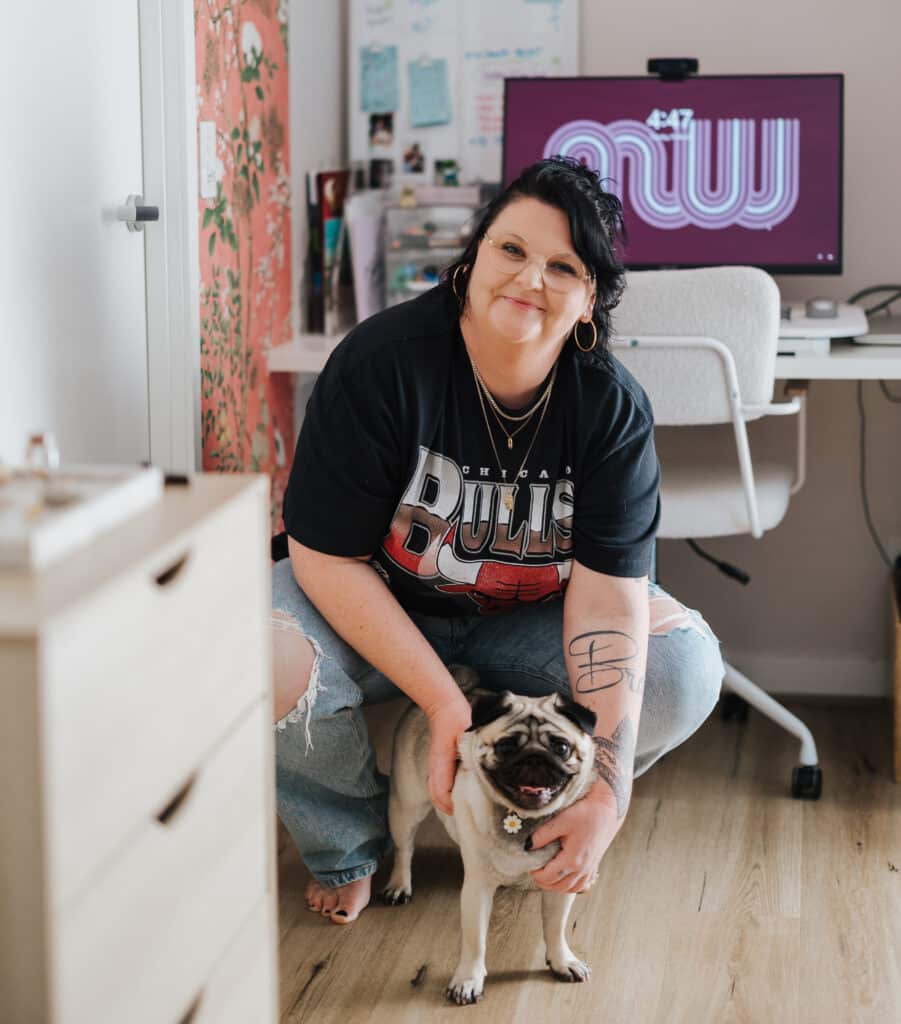
Industry consultant Melanie Wentzel is working to spotlight women leading the global industry through her forthcoming book Cannabis Queens, all while occupying a leadership position herself.
The book, to be published by Women Changing The World Press, draws on survey data and interviews to capture stories from women across the cannabis industry. The survey has already gathered more than 130 responses from contributors around the world.
Respondents include female CEOs, chairs, founders, dispensary technicians, heads of compliance, medical practitioners, and activists.
Wentzel came to cannabis after an extensive career in project management within mainstream healthcare, and said her book will demonstrate why women in leadership positions matter across every industry.
"Even if she has an identical education to the man she's sitting next to, even if she is exactly the same age and grew up in exactly the same town, her experience of an industry, of a product, of a lifestyle, is different to a man, so a diversity lens matters," she said.
"It's not exclusive to cannabis – it matters everywhere."
As an emerging industry, however, Wentzel said the local cannabis sector must "ensure we are shepherding women into those positions of power so that we have gender balance… our opportunity to do that is now".
Cannabis has produced many exceptional female leaders around the world, and their stories are central to what she hopes Cannabis Queens will convey.
"Our industry has some of the most exciting, exceptional and graceful leaders. There are women who are just great at business, who have built [companies], who have done incredible things for patients, and who really champion other women."
Yet she acknowledged that the everyday reality for women in business still carries significant challenges, a pattern that her survey data is already beginning to confirm.
Of the 132 respondents so far, 55% said they have experienced sexism in the industry (gender-based discrimination), with 38% reporting gender-based abuse whether verbal, emotional, psychological, financial or online.
The data suggests that women in cannabis are not only contending with barriers to entry at the top — difficulties persist even after they have broken through.
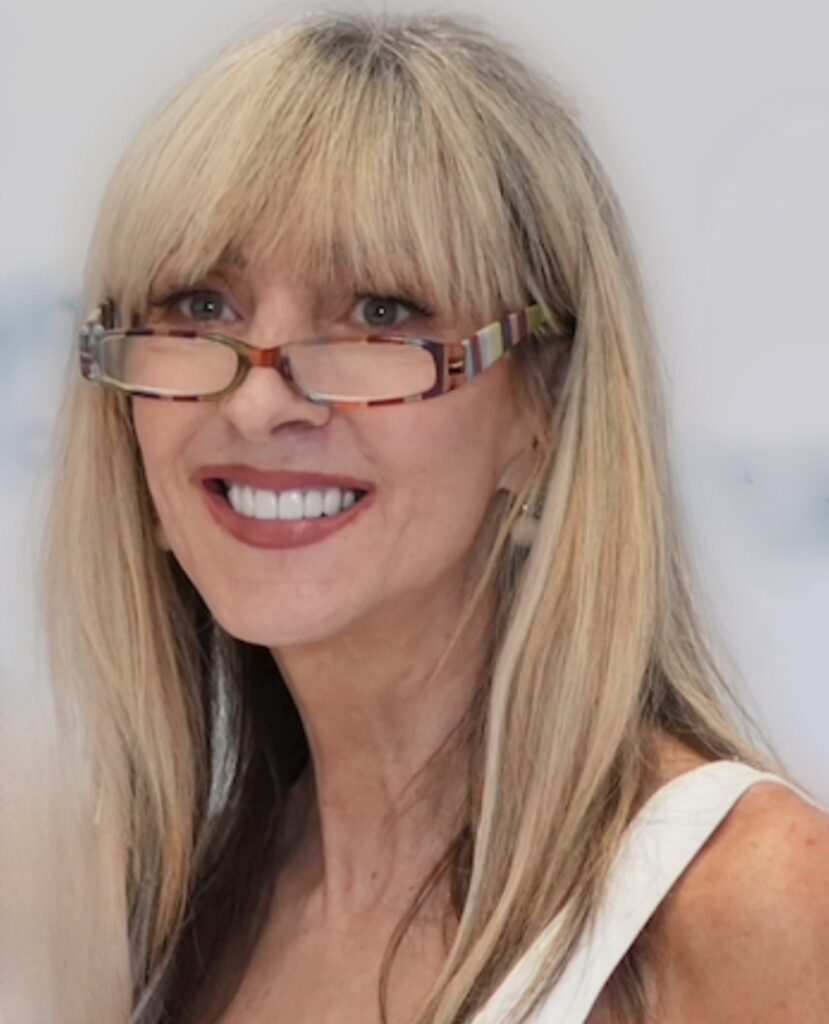
The Entourage Effect and MiDispenary CEO Lisa Varley said she has received support within the industry — largely from other women — but that even in a CEO role, she frequently finds her authority not taken seriously by male counterparts.
"I have a lot of experience in the pharmaceutical industry, but many times when I have suggested we can or cannot do something, I'm told 'no you're wrong, I will check up on this'. I find it extremely frustrating.
"I have been in meetings with men and virtually been ignored and then a decision has been necessary and my boss (a male) has said 'actually Lisa is the CEO, she makes all the decisions'. So I was introduced as the CEO, but only really acknowledged when it was made clear I was the decision maker. I don't believe that would happen if I was a man."
Varley said she recently spoke at Cannabis Business Asia 2024 in Bangkok and was the only female speaker on the program. The absence of women on conference panels has been a point of contention in Australia as well, with an all-male CEO roundtable at ACannabis drawing criticism on social media.
Varley added: "I hope to see more women pushing through the barriers and I am very active in making this happen, both within my own team and the industry as a whole. I'm very proud to say that my company has a ratio of around 50:50 women to men and our company is thriving.
"Studies show that diverse teams make better decisions so as well as women, we should include people of all ages and ethnicities. By addressing some of these systemic barriers and biases and by providing mentorship and support, we can move towards promoting a culture of inclusion. These are essential steps to realising our potential and achieving greater gender diversity."
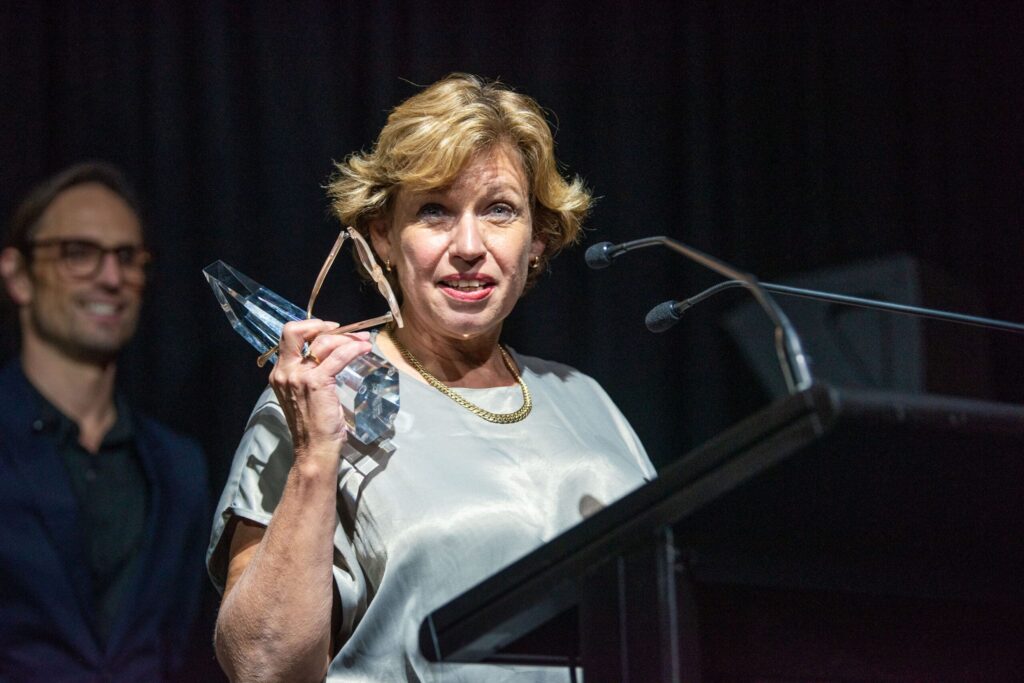
The shortage of female CEOs is not a problem confined to cannabis, according to ECS Botanics MD Nan-Maree Schoerie.
"Unfortunately, there is a shortage of women who have P&L-type roles coming through, so it is not easy to get diversity at the c-suite level," she said.
"I do not think this is a cannabis issue… it's across many industries. One only has to look at the ASX 200 to see how low female representation is."
That view aligns with figures from the Australian Government Workplace Gender Equality Agency, which shows women making up only 19.4% of CEOs, and 32.5% of key management positions, in 2021.
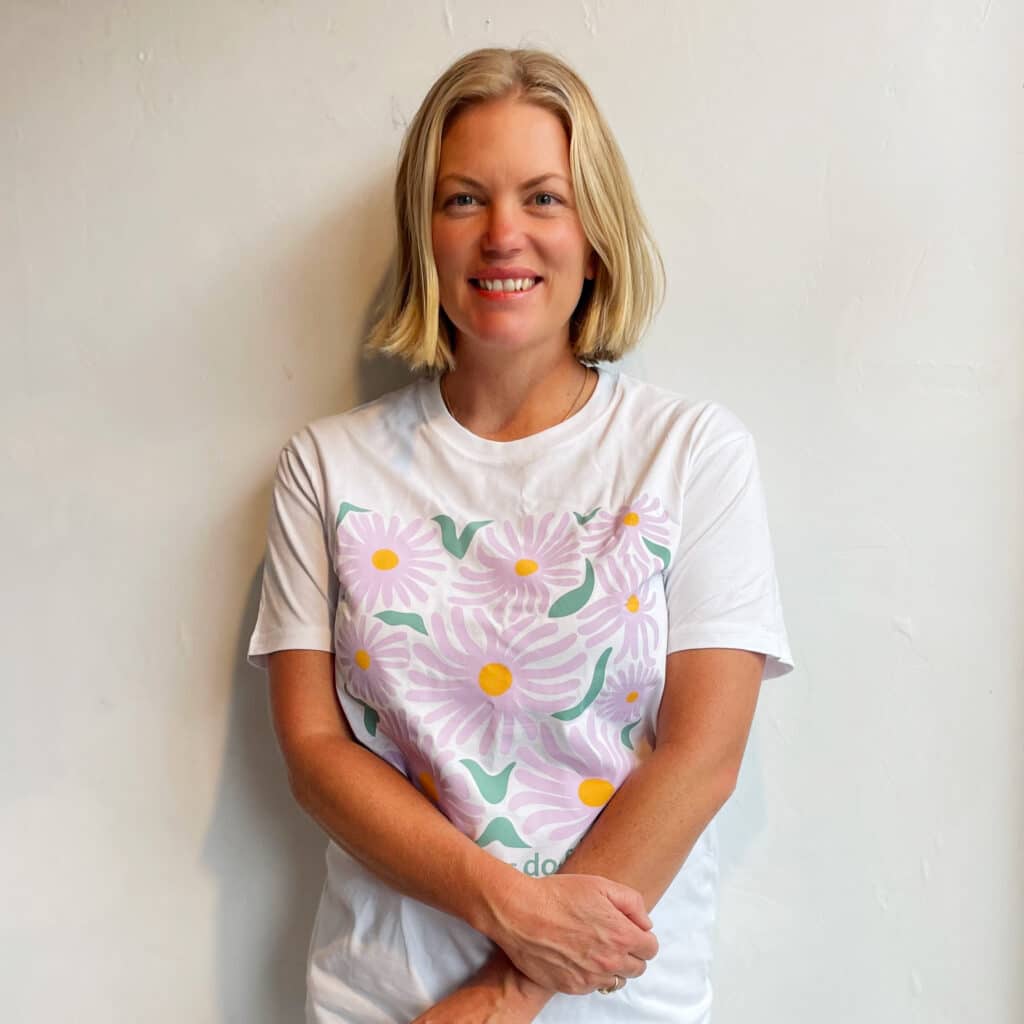
Like Varley, Heyday Medical MD and co-founder Phoebe Macleod is also running a company where women account for 50% of the workforce, though she noted that the cannabis industry presents its own distinct challenges and openings.
She said the sector's relative youth may be contributing to the gender gap, because "men are judged on their potential, women are judged on their past performance".
She added: "As a somewhat stigmatised and genuinely new health industry, it probably attracts a more diverse set than most other health sectors. I'm talking about risk takers, entrepreneurs, lovers of the plant with little prior experience of working in health, big egos, marketing gurus… the melting pot of characters goes on.
"There are not enough women in leadership positions across all industries, but sadly, in cannabis right now, it is particularly stark. I believe a lot of this is to do with how new the industry is, and how it is still finding its identity."
Macleod said women bring "authenticity, a solid moral compass and deep empathy to leadership positions" which can help companies succeed.
"Women are excellent at executing on a good strategy and seeing something from all angles before jumping in which generally leads to a higher chance of success. I do think this is missing in our industry right now as brands struggle to truly differentiate from each other and race to get on board with the latest trend."
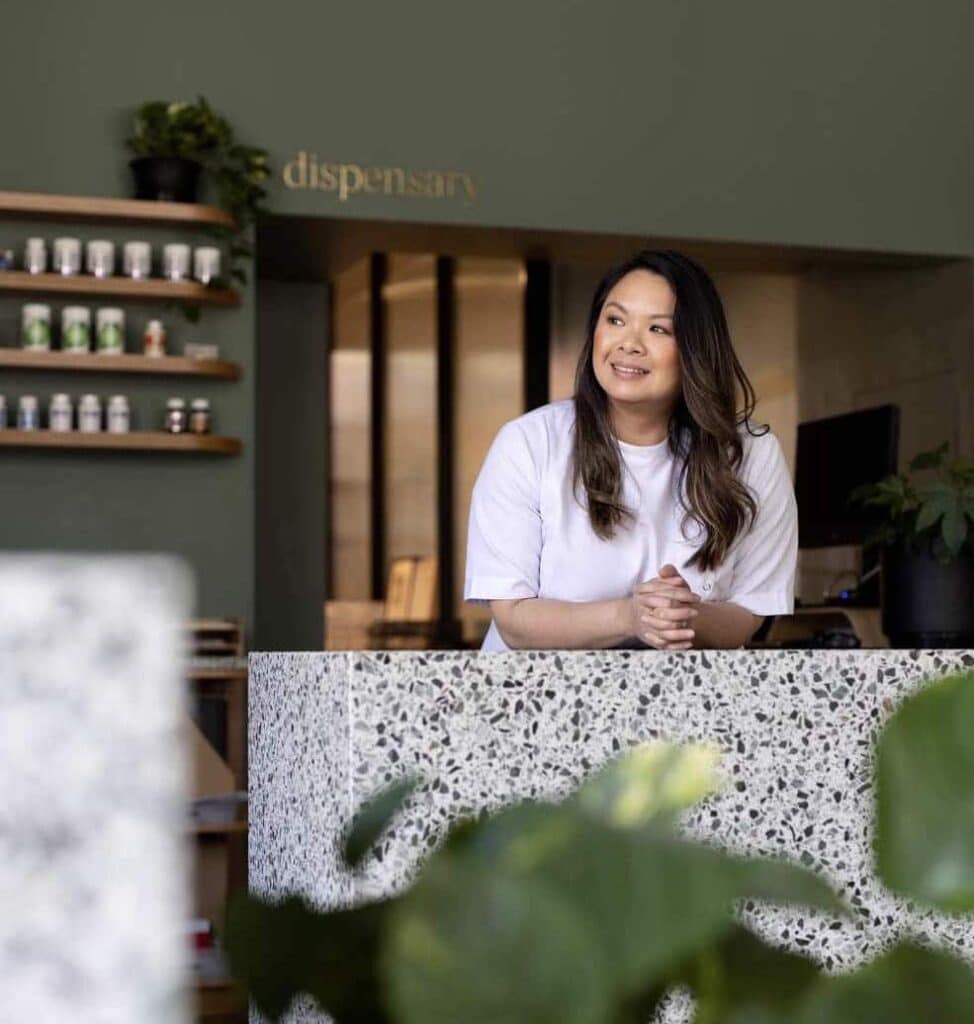
Beyond the industry's youth as a factor, Astrid Dispensary founder and CEO Lisa Nguyen pointed to a deeper structural issue, noting "there's a longstanding historical perception of male dominance".
"It is a mix of so many different male-dominated industries – agriculture, supply chain, pharmaceuticals, policy, government – you name it," Nguyen said.
"This is coupled with the fact that only eight years ago, cannabis was classified as an illicit substance and not a prescription medicine. Cannabis was essentially led by the legacy market – and it is very uncommon to see women in leadership [positions] in the legacy market."
Astrid's leadership team is 60% female, but building that team has not been without resistance.
"There have been so many times when I've sat through back-to-back meetings where I am the only woman on the call, and certainly the only person of colour," said Nguyen.
"In the three years that I've had Astrid, I've learnt to say no, I've learnt to be resilient and lead with purpose. This has meant working with people that understand my values and what Astrid is striving to achieve."
She added that, despite generally feeling supported, "there have been many instances where I've certainly felt disrespected, belittled and demoralised for being who I am and trying to get to where I need to be".
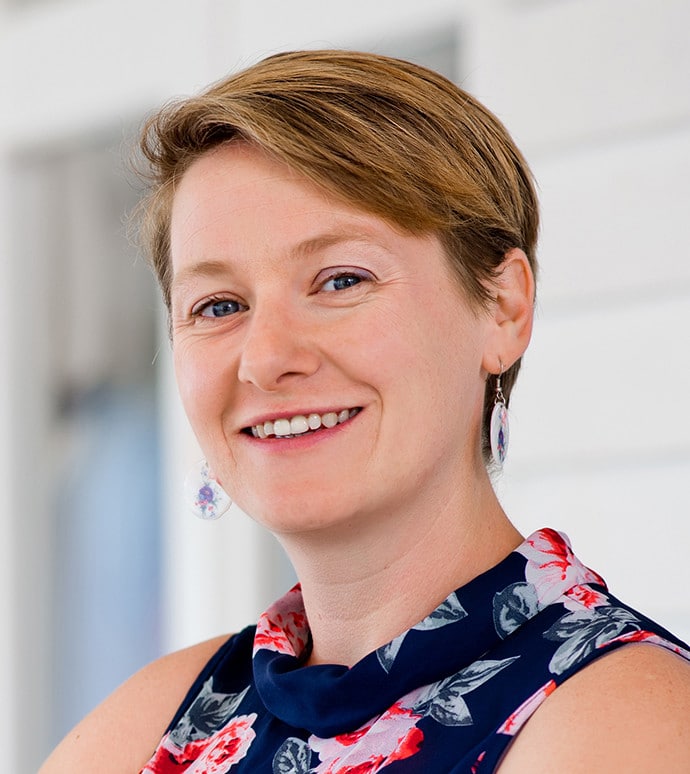
The challenge of female underrepresentation in leadership extends across the Tasman as well. Carmen Doran, CEO of New Zealand firm Helius Therapeutics, said she has benefitted from strong mentors and hopes more women in senior roles will be able to support the next generation of business leaders.
"I once heard that 80% of healthcare decisions in a family are made by women. In addition, gender pain gaps studies in the UK tell us that things need to change in how we address female patient needs.
"Our patients are varied and have varied needs – the best way we can support them is having a workforce that represents them and can also share their voice in everything we do."
Macleod, Nguyen and Wentzel all agreed that expanding female leadership is ultimately about better outcomes for patients.
Macleod said: "Only then will patients be at the centre of how the industry operates, given the empathy women will bring to the board table."
Nguyen added: "I really hope to see a future where female leadership in the cannabis industry continues to grow, not only for women but for the industry as a whole.
"Diversifying leadership brings fresh perspectives that can better serve patients and their needs. By breaking gender stereotypes and fostering inclusivity, we can drive the industry forward, with more growth and innovation."
Wentzel agreed, noting that it is about "creating pathways for those who don't have the same opportunities and making access to leadership equitable".
"That is what is really important and what creates better, stronger industries that respond better to the needs of their patients and consumers."