A bipartisan parliamentary committee in Victoria has recommended that the cultivation and possession of small amounts of cannabis be decriminalised, after determining that a comparable policy in the Australian Capital Territory has not produced any notable adverse outcomes.
In a report tabled on Tuesday, the eight-member Legislative Council legal and social issues committee concluded the government should "draw on the experience of the ACT" and adopt a "new approach" to cannabis regulation.
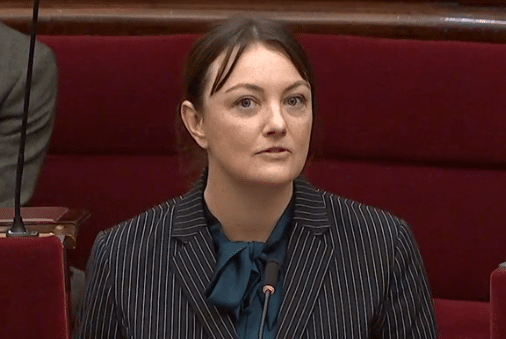
The committee — made up of three Labor, three Coalition and two crossbench MPs, including Legalise Cannabis MP Rachel Payne — further recommended that Victorians with prior convictions for cannabis possession should have those records expunged.
The recommendations stem from an inquiry into the Regulation of Personal Adult Use of Cannabis Bill 2023, introduced by the Legalise Cannabis Party. Identical bills were also tabled in New South Wales and Western Australia.
The proposed legislation would permit the cultivation of up to six plants per household and possession of up to 50g of cannabis. Small quantities could be given as a gift, though consuming cannabis in public would remain prohibited.
During the inquiry, which included a hearing last month, the committee received testimony from a range of specialists, among them Lambert Initiative academic director Iain McGregor and Robert Taylor from the Alcohol and Drug Foundation.
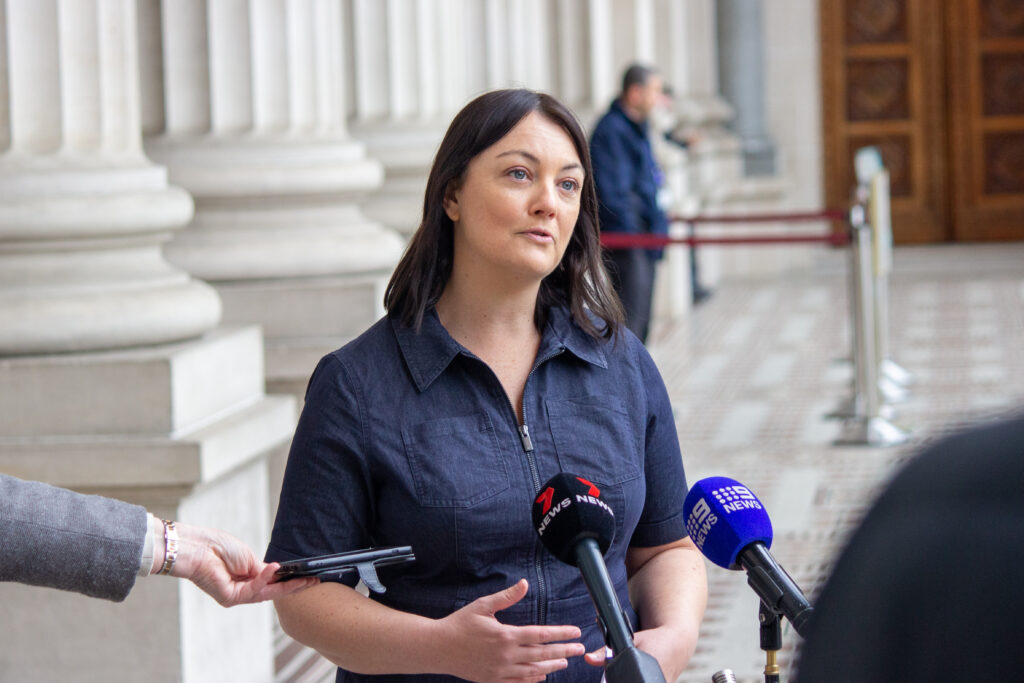
Payne called on the government to act on the committee's findings, pointing again to the ACT's experience after it decriminalised personal cannabis use in 2020, which has been accompanied by no rise in cannabis consumption.
The report also found the ACT's health system had faced no additional strain as a result of the change, and that police had been able to redirect their attention toward more serious criminal matters.
"The ACT reforms saw a fall in the level of policing for personal use and possession of more than 90 per cent," Payne said. "If Victoria follows and decriminalises small amounts, it means our police no longer have to waste their time, energy and resources policing personal cannabis possession.
"According to the last AIHW National Drug Strategy Household Survey, 80 per cent of Australians believe possessing cannabis should no longer be a criminal offence.
"A major finding of this report is that it's time for 'a different approach' – stop criminalising people and focus on harm reduction."
Payne also drew attention to the disproportionate impact of current laws on young Australians, First Nations people, LGBTQ+ individuals and those from lower socio-economic backgrounds, who frequently bear the most damaging consequences of being charged for possessing and using small amounts of cannabis.
"Redirecting people away from the criminal justice system will reduce pain and suffering for many," she said.
Payne's fellow Legalise Cannabis MP David Ettershank said the report acknowledged that prohibition had neither reduced demand for cannabis nor curtailed criminal activity, and called for cannabis use to be addressed as a public health matter rather than a criminal one.
Among the committee's other recommendations was that any cannabis law reform should be progressed through a government bill rather than a private member's bill, and that reforms should be closely monitored with a formal review conducted after five years.
The report also proposed amending the bill to prohibit hydroponic cultivation, requiring plants to be grown in soil — whether in the ground, in pots or inside greenhouses. The government should additionally "investigate opportunities to improve access to plant matter testing."
The government has six months to respond to the committee's recommendations.