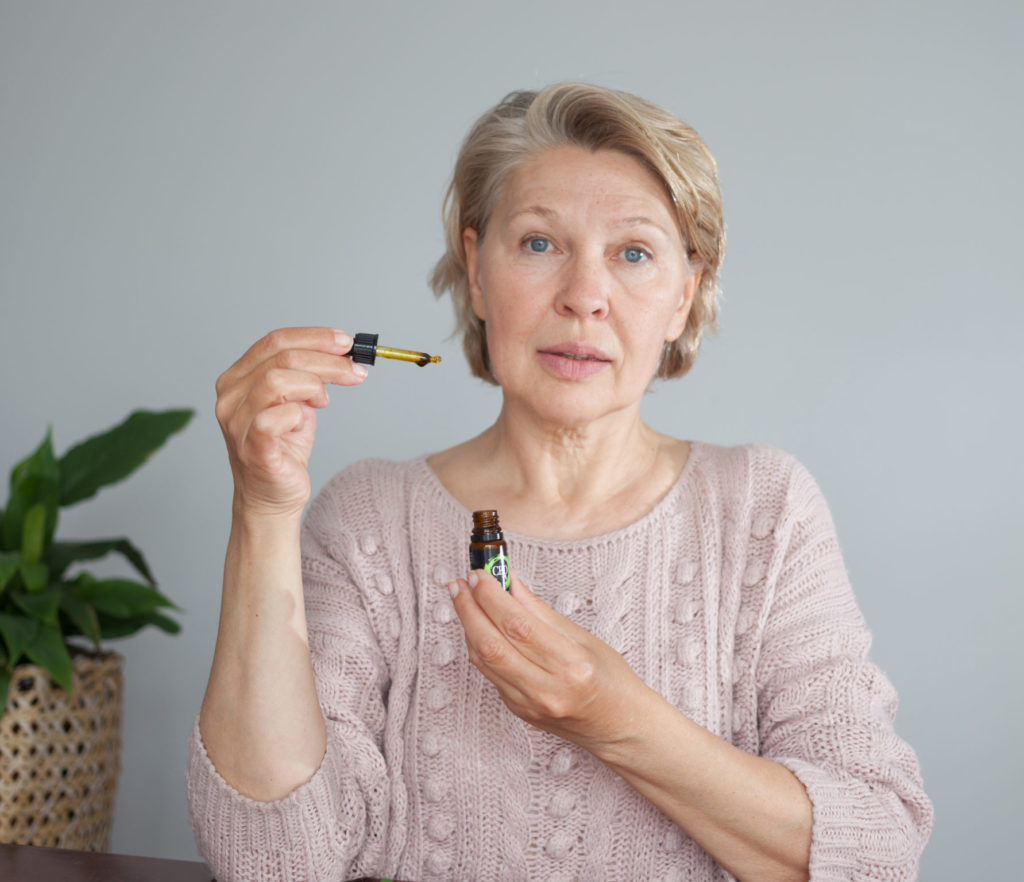
New research from the United States suggests CBD may be an effective option for postmenopausal women whose ovaries have ceased estrogen production.
Scientists at Rutgers University discovered that estrogen-deficient mice given CBD showed increased energy expenditure and improved glucose clearance from the bloodstream. The animals also gained bone density, experienced reduced inflammation in gut and bone tissue, and had higher concentrations of beneficial gut bacteria.
By contrast, estrogen-deficient mice that received no treatment developed conditions mirroring those commonly seen in postmenopausal women, including metabolic dysfunction, signs of inflammation, reduced bone density, and lower levels of beneficial gut bacteria.
Senior author assistant professor Diana Roopchand said: "This preclinical study is the first to suggest the therapeutic potential of CBD for alleviating symptoms of estrogen deficiency.
"There is much anecdotal evidence of CBD's health benefits for menopausal and postmenopausal women, but our study is the first to investigate some of the claims in an established preclinical model of postmenopause."
The postmenopausal stage — defined as the period beginning one year after a woman's final menstruation and typically occurring around age 50 — brings a sharp drop in estrogen that can contribute to weight gain, cardiometabolic disease, osteoporosis, gastrointestinal disorders, and cognitive decline.
Hormone replacement therapy (HRT) remains among the limited treatment options available, though clinical research has linked it to elevated risks of heart disease, stroke, blood clots, and cancer in women over 60.
Roopchand added: "Other therapeutic options with fewer safety concerns are needed for prevention of chronic disease in this underserved demographic.
"CBD is already being used by many women to deal with symptoms of menopause and postmenopause. This study provides preclinical evidence to support further investigation of CBD as a therapeutic for postmenopause-related disorders."
The study is published in Frontiers in Pharmacology.