Cannim Group and NICM Health Research Institute have expanded their focus on women's health with a new observational study examining how medicinal cannabis affects symptoms linked to menopause.
Recruitment is now open for the study, which will enrol 60 peri- or post-menopausal women between the ages of 45 and 65, each receiving a six-month medicinal cannabis prescription.
The primary measure is sleep quality, assessed through changes in scores on the Pittsburgh Sleep Quality Index (PQSI). Secondary outcomes include anxiety, hot flush frequency, depression and mood, cognitive functioning, and overall quality of life.
Medicinal cannabis products will be tailored to each individual participant.
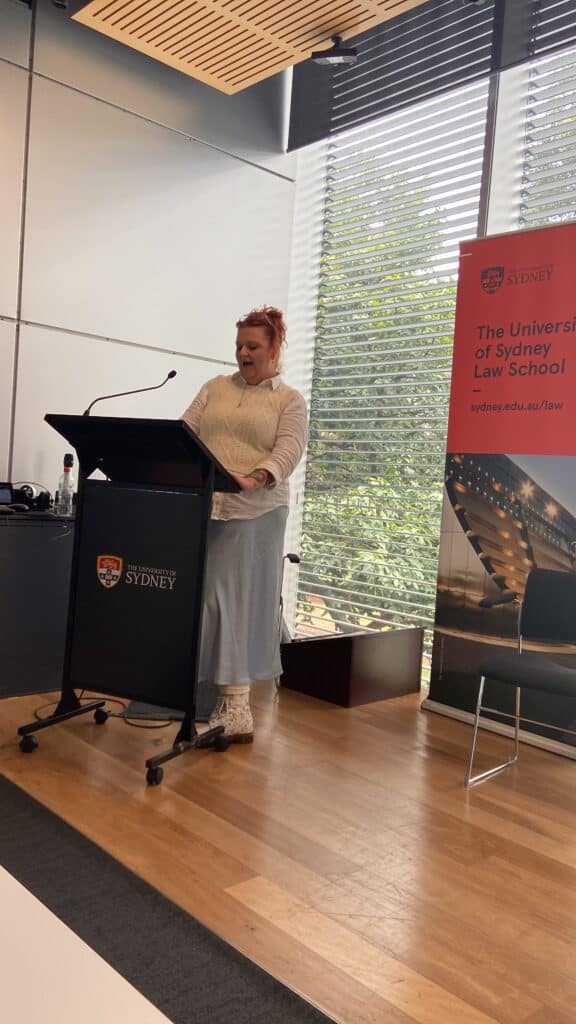
The study will be led by NICM director of research Associate Professor Mike Armour, alongside Dr Emily Yang, Associate Professor Genevieve Steiner-Lim, and Dr Tannia Perich, with support from Cannim Healthcare strategy lead Melanie Wentzel.
While around 20% of women report no symptoms, menopause affects every woman to some degree, with meaningful implications for health and quality of life.
This is the second observational study on women's health undertaken jointly by NICM and Cannim. The first, launched last year, is exploring the effects of medicinal cannabis in the treatment of period pain.
Wentzel said finding new treatment options for women going through menopause was essential.
"The image many people have of a 'menopausal woman' often looks something like the cast of 'The Golden Girls' – past our peak, grey haired, and grumpy," she said. "But the truth is that the first stage of menopause – peri-menopause – comes to greet us when we are in the prime of our lives.
"For many our careers are thriving, our children are becoming young adults, we are still incredibly active both socially and physically, and we are experiencing more freedom that we have ever known; and we know ourselves better than we ever have.
"Reframing the menopause experience for women as a beautiful and powerful transition which begins in our prime, and as an opportunity to reconsider our approach to health and wellness, is important."
Wentzel said the choice should not come down to "HRT or the highway," but rather to "exploring and understanding our options and making informed decisions that work for us."
"That's why this research is exciting," Wentzel said. "It's opening up the conversation and giving Australian women a pathway to explore medicinal cannabis as an option to relieve some of those symptoms we experience, like sleep disturbance which has a ripple effect into overall health and wellness.
"I would encourage women to call and discuss if the study might be suitable for them, and also to discuss the study with the women in your life who may benefit from being a part of it."
Prescribers whose patients experience menopause-related sleep disorders are encouraged to direct interested individuals to the Natura Clinics website for further details.
The study team can also be reached by phone on 1300 413 379.