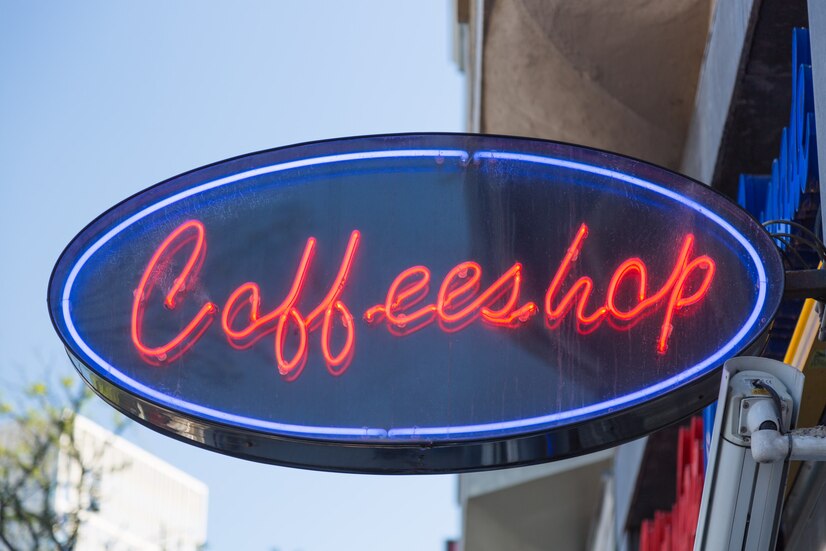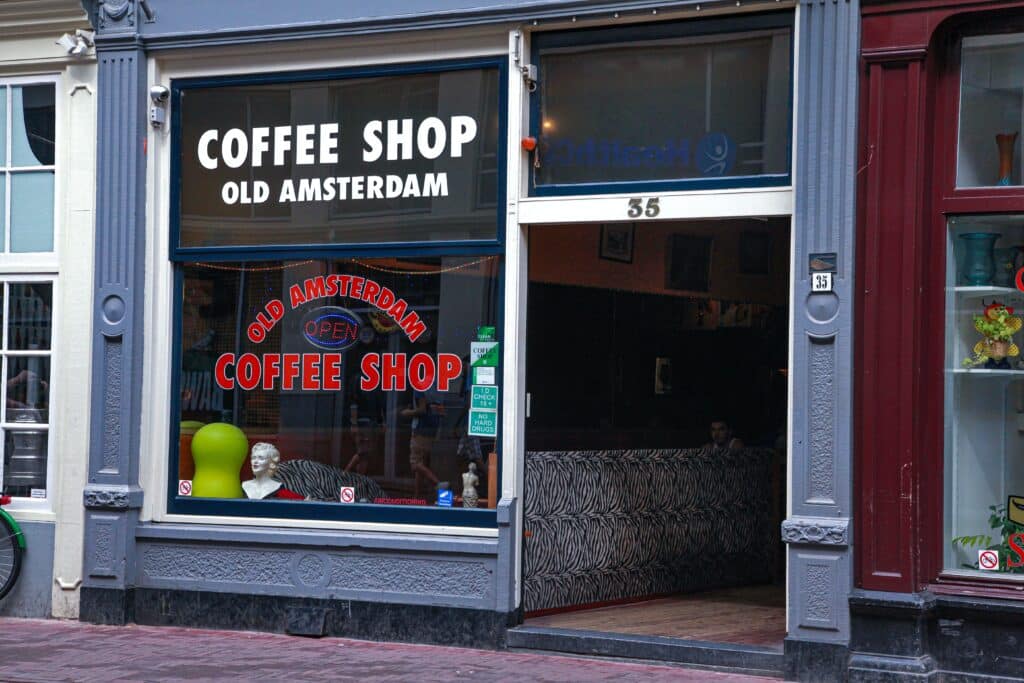
A bill that would permit Amsterdam-style cannabis cafes in California has passed the Senate with bi-partisan support, leaving the decision to sign it into law with Democratic Governor Gavin Newsom.
Under the proposed legislation, cannabis-only dispensaries would be permitted to serve non-cannabis food and beverages, subject to approval from local governments, though alcohol and tobacco smoking would remain banned on the premises.
The bill would also open the door for dispensaries to host live music and other events, as well as sell tickets to those shows.
California has permitted recreational cannabis use since 2016, yet retail dispensaries have continued to function much like pharmacies — customers can only buy cannabis products at a counter. On-site consumption is technically allowed under current law, but selling non-cannabis goods is not.
After amendments made during the legislative process, the bill now excludes hemp-derived food and drinks from the category of "non-cannabis" products, meaning those items cannot be sold at dispensaries. The bill also requires that any non-cannabis goods be stored and displayed in a separate area.
Democratic sponsor Matt Haney said the bill, if signed, would give small businesses room to grow and inject new energy into local economies.
"Lots of people want to enjoy legal cannabis in the company of others," he said.
"And many people want to do that while sipping coffee, eating a scone, or listening to music. There's absolutely no good reason from an economic, health, or safety standpoint that the state should make that illegal.
"If an authorised cannabis retail store wants to also sell a cup of coffee and a sandwich, we should allow cities to make that possible and stop holding back these small businesses.
"To be clear, we're not saying that coffee shops should be allowed to sell cannabis. We're saying that cannabis shops should be allowed to sell coffee.
"It shouldn't be illegal for an existing cannabis business to move away from only selling marijuana and instead have the opportunity to grow, and create jobs, by offering coffee or live jazz."
Governor Newsom has not made a public statement on whether he intends to sign the bill, but given his longstanding support for cannabis legalisation, many expect he will. Should he do so, the law would take effect on January 1, 2024.
At the federal level, meanwhile, Republican lawmakers in Washington have pushed back against efforts to reclassify cannabis as a lower-risk substance.
The Department of Health and Human Services (HHS) recently recommended to the Drug Enforcement Agency (DEA) that cannabis be moved from Schedule I — a category reserved for drugs deemed to have no accepted medical use and a high potential for abuse — down to Schedule III, which covers substances considered to carry a moderate-to-low risk of physical and psychological dependence.
In response, a group of 14 Republican lawmakers — led by Senator James Lankford and Representative Pete Sessions — wrote to the DEA urging it to disregard those calls for change.
They claimed: "Any effort to reschedule marijuana should be based on proven facts and science — not popular opinion, changes in state laws, or the preferred policy of an administration.
"It is irresponsible for HHS to recommend that marijuana be removed from Schedule I. It would also be irresponsible for DEA to act on this recommendation."
Elsewhere, New York's Cannabis Control Board has voted to open licence applications for cultivating, manufacturing, and selling adult-use cannabis to non-social equity applicants.
The decision would allow major medicinal cannabis companies already operating in the state to enter the adult-use market. When New York legalised adult-use cannabis in 2021, it initially restricted licences to applicants with prior cannabis convictions.