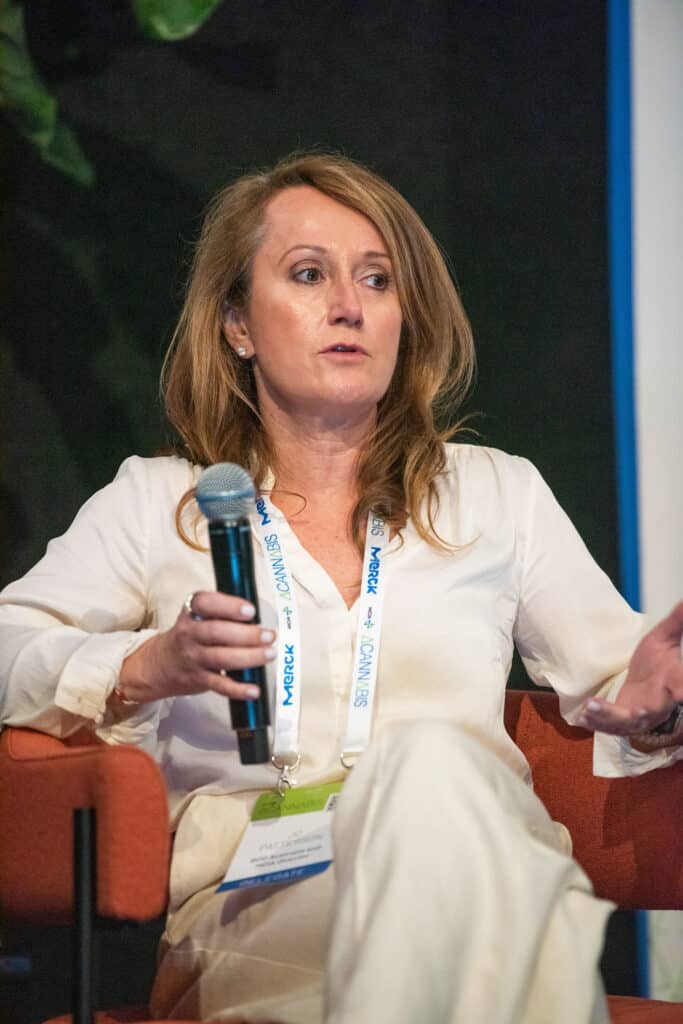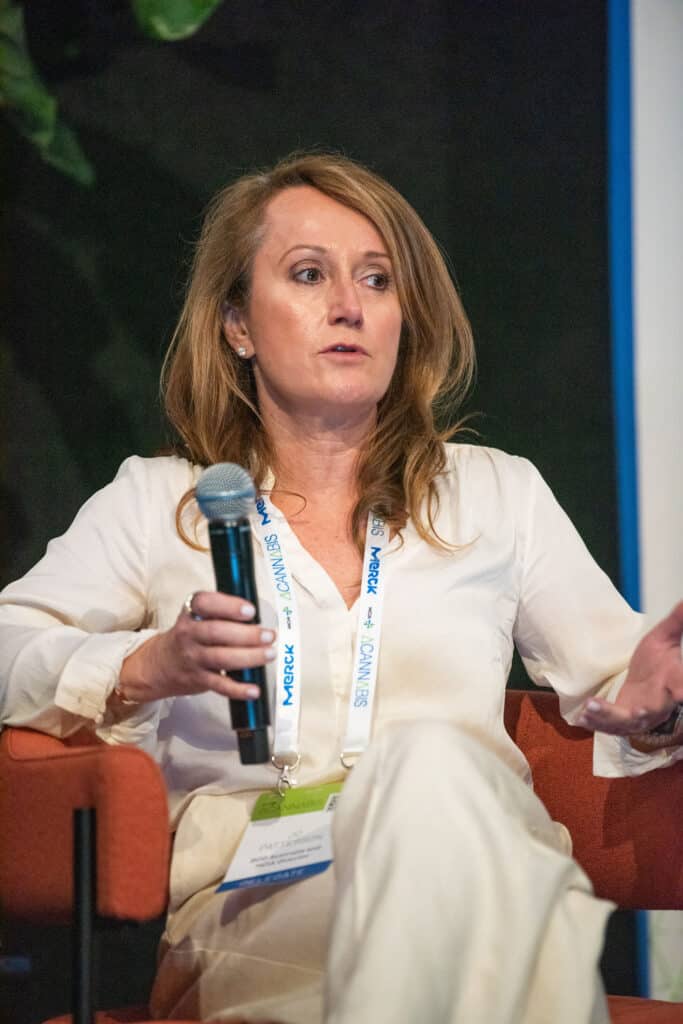
Bod Australia's acquisition of a UK-developed technology designed to boost the therapeutic value of CBD could address mounting investor pressure to generate both immediate and lasting revenue, according to the company's chief executive.
Jo Patterson said it was time for Bod, and the broader industry, to start producing sustainable revenue after spending several years laying the commercial groundwork.
She said the era of repeatedly returning to shareholders for financial support was drawing to a close.
Aqua Phase, which Bod is set to acquire for up to A$5 million from two British scientists, could deliver both short and long-term revenue, Patterson said.
"Investors want to see – and I am fully supportive of it – a revenue model that is sustainable because no matter if you're a public company or a private company, you can't keep coming back for more," she said. "The last five years has been about building assets that could realise significant revenue value.
"You've then got to prove out the business model and that is why I'm so excited about Aqua Phase. Living the position of a drug-delivery company and product innovator will really start to play out."
Bod's revenue took a significant blow in FY22, dropping more than 30% as sales through its global partner Health and Happiness Group (H&H) in the UK fell short of expectations.
Patterson acknowledged that H&H had not "generated the momentum they would have liked", though she noted the whole sector had been sluggish as the UK Food Standards Agency worked through regulatory issues.
"A lot of firms playing in the CBD space are taking a hit right, left and centre. The novel food complexity of that market has really affected it," she said.
Although Bod is targeting a strong recovery in FY23, the company's immediate attention is directed at completing the Aqua Phase acquisition — a processing technology created by UK scientists Peter Stabler and Gregory Stoloff.
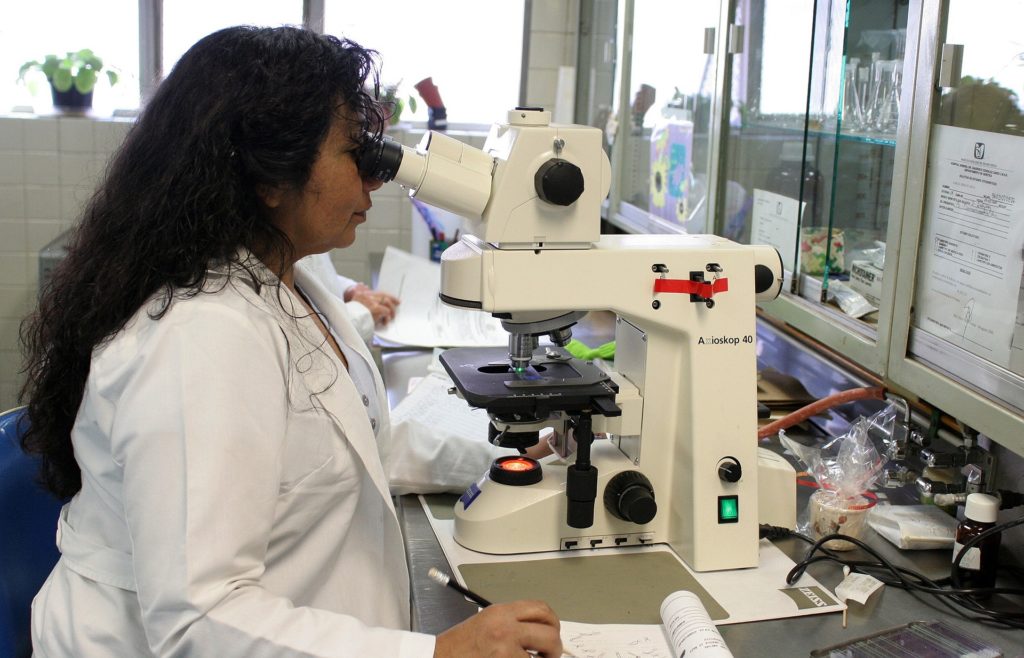
The technology, which is currently undergoing pharmacokinetics (PK) testing by Bod, is expected to achieve bioavailability exceeding 30% through a method that produces a molecule which is "truly soluble", according to Patterson.
"CBD and other cannabinoids are intrinsically poorly absorbed because they're lipophilic, they're water-hating molecules," she explained. "From a therapeutic perspective, the drug-delivery device becomes incredibly important because if you can't get enough cannabinoids into your system, you're not going to get the therapeutic outcome you need.
"Most CBD oil is suspended in MCT oil and the scientific literature says the absorption is between 6% and 8%. We think that Aqua Phase, at a minimum, is going to be greater than 30%."
Finalising the acquisition depends on bioavailability reaching that threshold, Patterson said.
"We are very confident because we've done our own internal studies and I suspect it will be a lot more than 30%.
"The delivery technology has been tried and tested with CBD and we're about to move into CBG and other cannabinoids, such as CBN, where we think it has great application."
PK testing results are due within eight weeks, after which Bod will begin commercial discussions about licensing the technology to the health and wellness sectors, including sports drinks manufacturers.
"We think it has enormous potential, not only in the pharmaceutical market where some therapeutic outcomes have not been possible because of cost and the lack of bioavailability, but also in the sports drinks and healthcare markets.
"Licensing gives us the opportunity to create revenue in the short term and that's obviously what we're looking for. We're looking for revenue opportunities, and licensing is a less complex way of realising value from this product."
While rival companies have attempted to address the bioavailability problem through emulsification, Patterson argued that approach only improves absorption "by a few percentage points".
"Ours is a solution, it takes the CBD through a unique and novel methodology that creates a new molecule that is truly soluble and delivers better bioavailability."
Crucially, the CBD Active Pharmaceutical Ingredient (API) produced by the process is tasteless, colourless and odourless, she added, making it well suited for use in beverages.
"That is so important when you're adding it to your sports drinks," Patterson said.
Beyond that, higher bioavailability would reduce costs for patients, who would need to consume less CBD to achieve the same therapeutic effect.
"In all products, CBD is the most expensive input," the Bod chief said. "Aqua Phase will unlock therapeutic outcomes that have been prohibitive due to cost."
She said Aqua Phase could even drive a bioequivalent medicine to Epidyolex.
At present, Aqua Phase produces bulk powder for capsules, tablets and beverages, with additional formats under exploration.
"We have the opportunity to commercialise it with the formats that already exist, but there will be ongoing R&D work which will explore not just other actives but other presentations depending on what the market needs."
The Aqua Phase process could also support Bod's goal of registering an over-the-counter product with the TGA, and the technology has potential applications well beyond medicinal cannabis.
"Our focus is exploring the therapeutic benefits of CBD and other cannabinoids, that's our remit, but there are many other lipophilic compounds where people are trying to solve this bioavailability problem," Patterson said.
She added that Bod intends to make Australia the central hub of the Aqua Phase manufacturing operation.