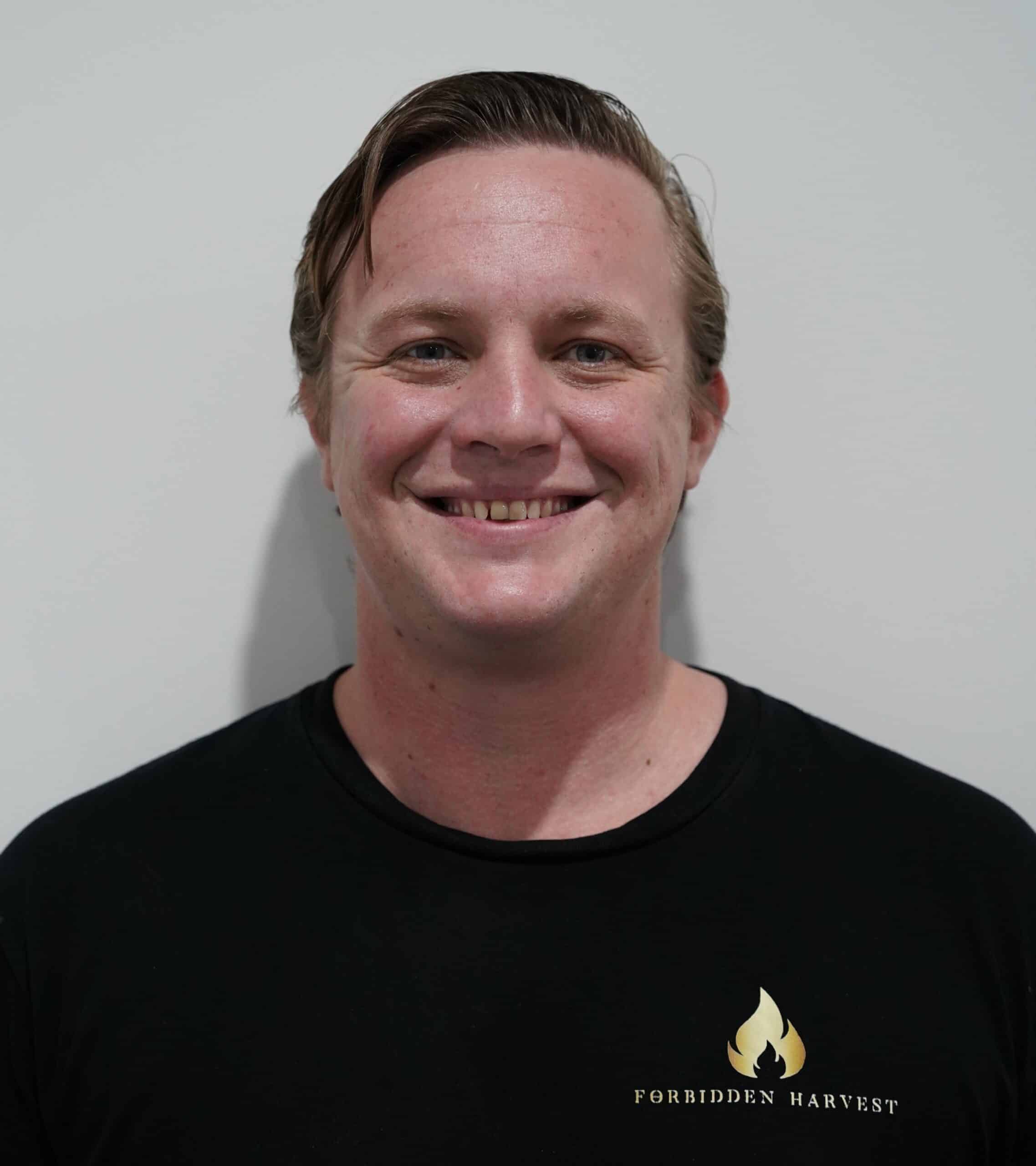
Michael Perman, founder and CEO of craft grower Forbidden Harvest, argues that the industry's most important teachers are the patients themselves.
Australia's medical cannabis industry was established with genuine promise — an opportunity to deliver safe, regulated relief to patients who had been locked out of legal options for years. Yet well after legalisation, the sector continues to grapple with uneven product quality, steep prices, and a corporate culture that too often places financial returns above patient welfare.
Despite some forward movement, the industry risks pushing away its most critical constituency — the patients — by continuing to brush aside their concerns. Consumer feedback about substandard flower, unpredictable effects, or poor service is frequently met with defensiveness rather than constructive change. Meanwhile, cultivation has been dominated by large corporate players who treat cannabis as just another commodity, rather than a medicine with specific needs and a deeply committed user base.
For Australia to develop a homegrown medical cannabis industry worth being proud of, the focus must shift away from short-term financial gain and toward sustainable, patient-centred growth. That means genuinely engaging with those who depend on these products every day, building a culture of committed cultivators rather than opportunistic investors, and making quality — not just regulatory compliance — the true benchmark.
Patients are speaking — but is anyone listening?
Medical cannabis patients in Australia are among the most informed and discerning consumers anywhere in the market. Many spent years, even decades, navigating illicit supply before gaining legal access. They understand the differences between strains, why proper curing matters, and what separates genuinely therapeutic cannabis from biomass cultivated purely for yield rather than medicinal value.
Even so, patients continue to report problems with dryness, weak terpene profiles, inconsistent batches, and even mould — issues that would not be tolerated in any other area of medicine. When these grievances are raised, some producers and distributors have responded inadequately, citing regulatory obstacles, blaming patients for misusing the product, or dismissing complaints as anecdotal. Each of these responses only compounds the frustration.
This gap between producers and patients is damaging on every level. In a market where word-of-mouth and patient trust carry enormous weight, companies that ignore feedback will steadily lose ground to those willing to act on it.
Corporate dominance vs craft cannabis
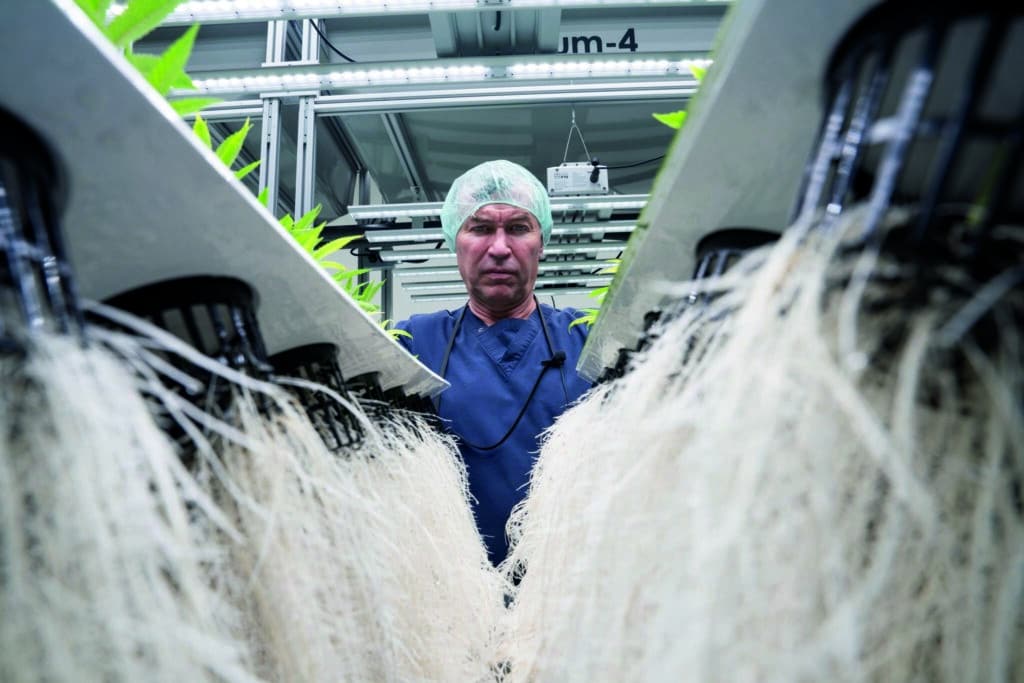
A related problem is the concentration of Australian cannabis cultivation among large corporate interests. Many of the earliest licence holders were established agricultural or pharmaceutical companies with substantial capital but limited familiarity with cannabis as either a plant or a cultural phenomenon. Their approach has tended toward mass production — treating cannabis more like wheat or barley than a nuanced, patient-specific medicine.
That mindset has produced an over-dependence on industrial-scale output, heavy automation (which can undermine potency and aroma), and a general indifference to the artisanal dimensions of cultivation that patients actually value. Scale matters, but not when it consistently comes at the cost of quality.
Smaller, craft-oriented growers — those who approach cannabis with the same care a boutique winemaker or specialty coffee producer brings to their work — have found it difficult to break through, weighed down by high regulatory costs and the entrenched position of larger players. Yet these are often the producers with the deepest understanding of the plant: cultivators with extensive hands-on experience, advocates who have witnessed directly what works and what doesn't, and entrepreneurs motivated by genuine passion rather than financial return alone.
An industry we can be proud of
Despite these challenges, Australia's medical cannabis industry still has the capacity to become a global leader — but only through meaningful change. As an industry and a community, we need to:
- Take patient feedback seriously
Companies must actively seek out and respond to patient concerns, treating them as meaningful data rather than problems to manage away. Batch-specific reviews, transparent quality control processes, and direct engagement with patient communities should all be routine.
- Back domestic craft and small-batch producers
Regulators and investors need to create real room for smaller growers who bring skill and commitment to the sector. Reducing barriers to entry for craft cultivators would sharpen competition, raise quality across the board, and offer patients more locally grown options.
- Engage patients as experts, not problems
Many patients have deep knowledge of this medicine. Instead of dismissing what they say, the industry should collaborate with them to improve products — through better strain selection, more careful curing, and clearer labelling.
- Pursue quality beyond the regulatory floor
Meeting regulatory standards is non-negotiable, but the best medical cannabis producers go further than the bare minimum. Companies should be aiming for genuine excellence in flavour, potency, and consistency — not simply clearing lab thresholds.
- Keep the founding purpose in view
This sector exists to help people. When profit becomes the sole priority, that mission collapses. Businesses that centre patient needs alongside commercial goals will be better positioned for lasting success.
A crossroads for Australian-grown cannabis
Australia's medical cannabis industry is at a decision point. It can press on with corporate commodification, treating patients as an afterthought and quality as secondary to scale. Or it can build toward a future where craft growers, patient advocates, and ethically minded businesses combine their efforts to produce something genuinely world class.
By listening to patients, valuing quality over sheer volume, and cultivating a culture driven by passion rather than pure profit, the industry can create something that both serves those in need and sets a global standard for excellence — and that potential is entirely within reach.